
Dermatology at Curewell
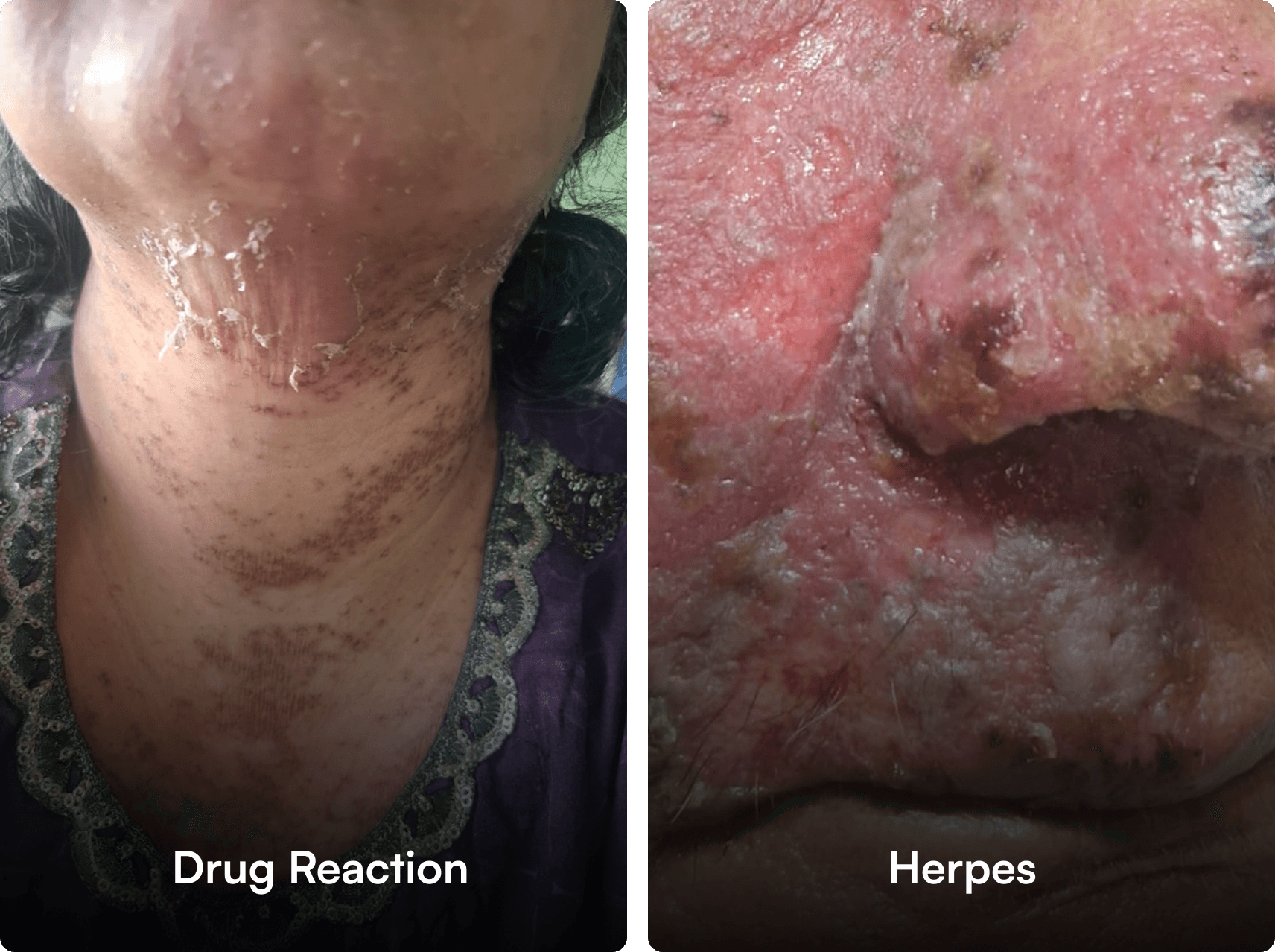
Dermatology focuses on conditions of the skin, hair and nails in adults and children.
We assess rashes, eczema, psoriasis, acne, infections, hair and scalp disorders, nail disease and changing moles. Investigations and treatments are explained clearly and honestly, so decisions feel informed and collaborative. Care may include topical and systemic medicines, in-clinic procedures and routines tailored to local climate and lifestyle. We encourage prevention and early checks, especially for persistent itching, non-healing lesions or new moles. Expect compassionate, modern care with transparent next steps and follow-up, designed to be accessible and practical for everyday life.
Our Experts
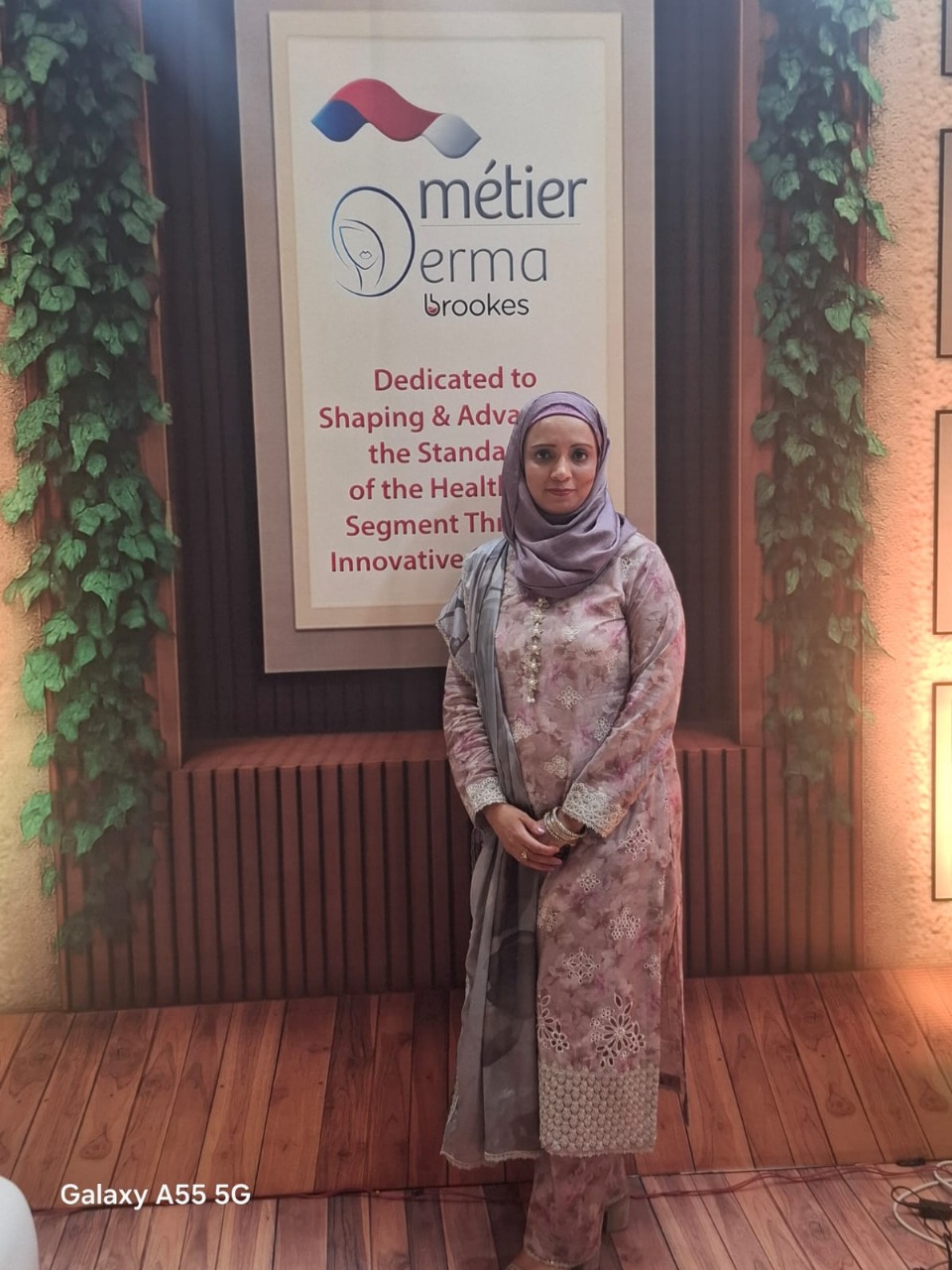
Specialities: Non-surgical aesthetic treatments for ageing skin, pigmentation, acne scarring and overall skin rejuvenation.
Frequently Asked Questions
It is a good idea to see a dermatologist if you have rashes or itching that keep coming back, acne that is scarring or not responding to basic care, eczema or psoriasis, hair loss, changes in moles, nail problems or any new or changing mark that makes you uneasy. Getting an expert opinion early can prevent complications and worry.
Your dermatologist will ask about your symptoms, general health, family history and any treatments you have already tried. They then examine the affected areas and, when helpful, may check the rest of the skin as well. In some cases, tests such as blood work, skin scrapings or a small biopsy are recommended to confirm what is going on.
Long-standing conditions like acne, eczema or psoriasis usually improve step by step rather than overnight. It may take several weeks to see full benefit from prescribed creams or tablets, and some conditions need ongoing maintenance to keep them under control. Your dermatologist will outline likely time frames and how you can tell if treatment is working.
In many situations, cosmetic or laser treatments can still be considered, but timing and choice of procedure matter. Your dermatologist will usually aim to stabilise any active disease first and then suggest aesthetic options that are safe for your skin type and condition, reducing the risk of flares or unwanted side effects.
Everyday habits matter. Using gentle cleansers, moisturising regularly, protecting your skin from the sun, avoiding harsh home remedies and following your prescribed plan all help. For chronic conditions, sticking to a maintenance routine even when your skin looks better can prevent flare-ups. Your dermatologist can help you build a realistic skincare plan.