
Paediatrics at Curewell
Paediatrics covers the medical care of infants, children and adolescents, supporting health, development and wellbeing.
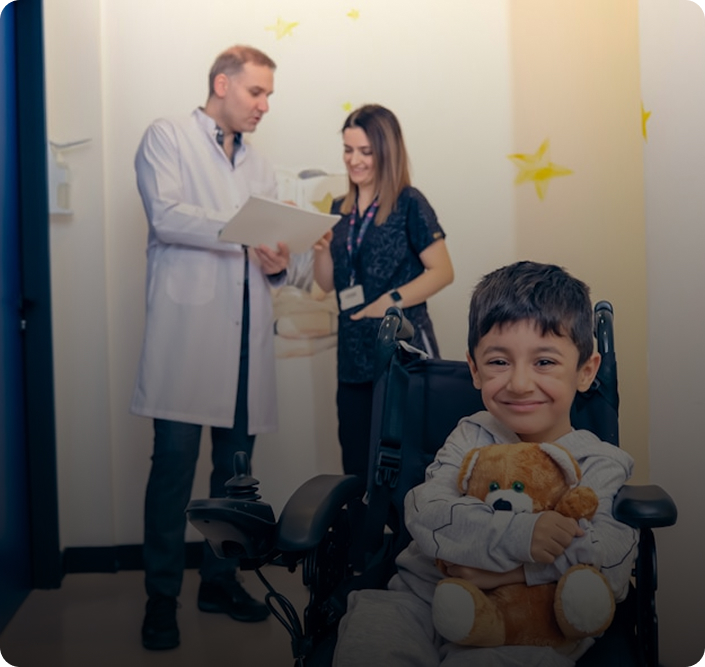
We provide newborn checks and vaccinations; support for common illnesses, asthma and allergies; help with growth, feeding and sleep; and assessment of developmental or learning concerns. Families receive clear explanations, practical home strategies and age-appropriate education. When helpful, we coordinate with therapists and schools to keep support joined-up and accessible. Assessments are child-friendly and respectful, with transparent next steps and follow-up. Our goal is modern, evidence-based care that builds confidence, protects wellbeing and keeps everyday life on track for children and carers.
Our Experts
Core Credentials: Diplomate, American Board of Internal Medicine Former Assistant Professor of Medicine (UMass & Oklahoma State University) Internal Medicine Residency - Mount Sinai School of Medicine, NY

Frequently Asked Questions
Paediatricians care for babies, children and teenagers, usually from birth through late adolescence. This allows one team to follow a child’s health, growth and development over many years and to support families at different stages.
Children are seen for everyday issues such as fevers, coughs and colds, ear and throat infections, allergies, asthma, tummy troubles and skin problems, as well as for feeding difficulties, growth concerns and developmental or behaviour questions. When needed, paediatricians also coordinate care with other specialists.
At routine visits, height, weight and sometimes head size are plotted on growth charts, and questions are asked about milestones like sitting, walking, talking and school progress. This helps pick up any concerns early. Vaccination records are also checked so that any missed doses can be organised.
You should seek urgent medical review if your child has difficulty breathing, seems unusually sleepy or confused, has a high fever not responding to basic measures, shows signs of dehydration, develops a worrying rash with fever or if you simply feel they are very unwell. If you are unsure, it is always better to ask for medical advice.
Parents and carers play a central role. Doctors explain what they think is happening, outline options and invite questions. Plans for medicines, investigations and follow-up are agreed together so that families feel confident about what to do at home and when to come back.