
Physiotherapy at Curewell
Physiotherapy helps recovery from injury, illness or disability by improving movement, reducing pain and restoring function.
Using exercise therapy, manual techniques and guidance on posture, pacing and prevention, we treat musculoskeletal pain, sports injuries, post-operative rehabilitation, neurological conditions and age-related mobility issues. Your plan is evidence-based and transparent about timelines and costs, with progress measures you can see and feel. We work towards practical goals—walking further, returning to sport, managing flare-ups—with education that empowers self-management. Affordability matters, so we offer stepwise options and home programmes where suitable. Expect compassionate coaching and modern methods designed around daily life.

Our Experts
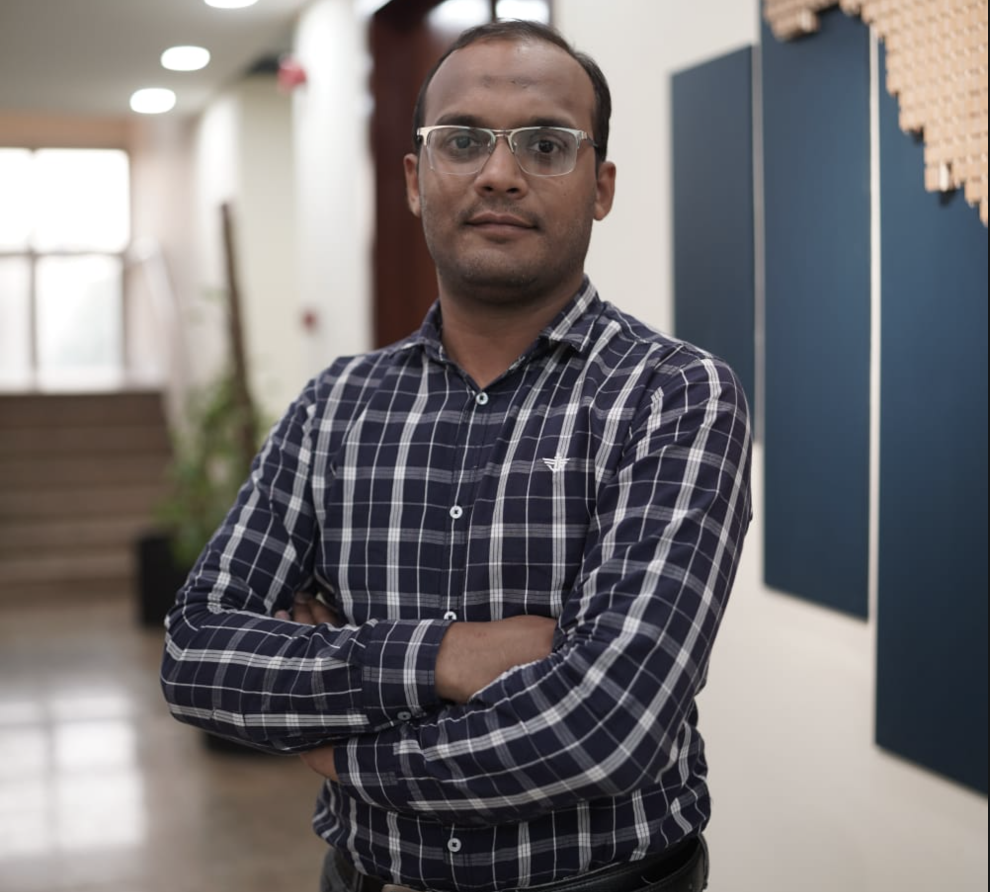
Specialities: Musculoskeletal and Sports physiotherapy including back, neck and shoulder pain, sports injuries, arthritis, stroke and geriatric rehabilitation.
Frequently Asked Questions
Physiotherapy can help with back and neck pain, shoulder and knee problems, sports injuries, arthritis, stiffness after fractures, balance difficulties and movement problems after conditions such as stroke or nerve injury. It also supports people who feel generally weaker or less mobile after illness.
Your physiotherapist will ask about your pain or other symptoms, your work and everyday activities, and what you most want to get back to doing. They will then look at how you move, test strength and flexibility and note which movements cause discomfort. This information is used to explain what is likely going on and to design a treatment plan with you.
There is no single answer that fits everyone. Some people improve with a brief course of weekly sessions and a strong home exercise programme, while others with long-standing or complex problems may need a longer period of rehabilitation. Your therapist will discuss a realistic number of sessions and review this as you progress.
Exercises done between sessions help build strength, flexibility and confidence and reduce the risk of problems returning. Your physiotherapist will show you how to do each exercise safely, check your technique and adjust the programme over time. Sticking with home exercises is one of the biggest contributors to lasting improvement.
Yes. As well as treating current symptoms, physiotherapists advise on posture, work set-up, training loads and ways to pace activity. By understanding how to move and train safely and by keeping up an appropriate level of strength and flexibility, many people reduce the chance of new injuries or repeat flare-ups.